Devon Reed · 2 September 2026
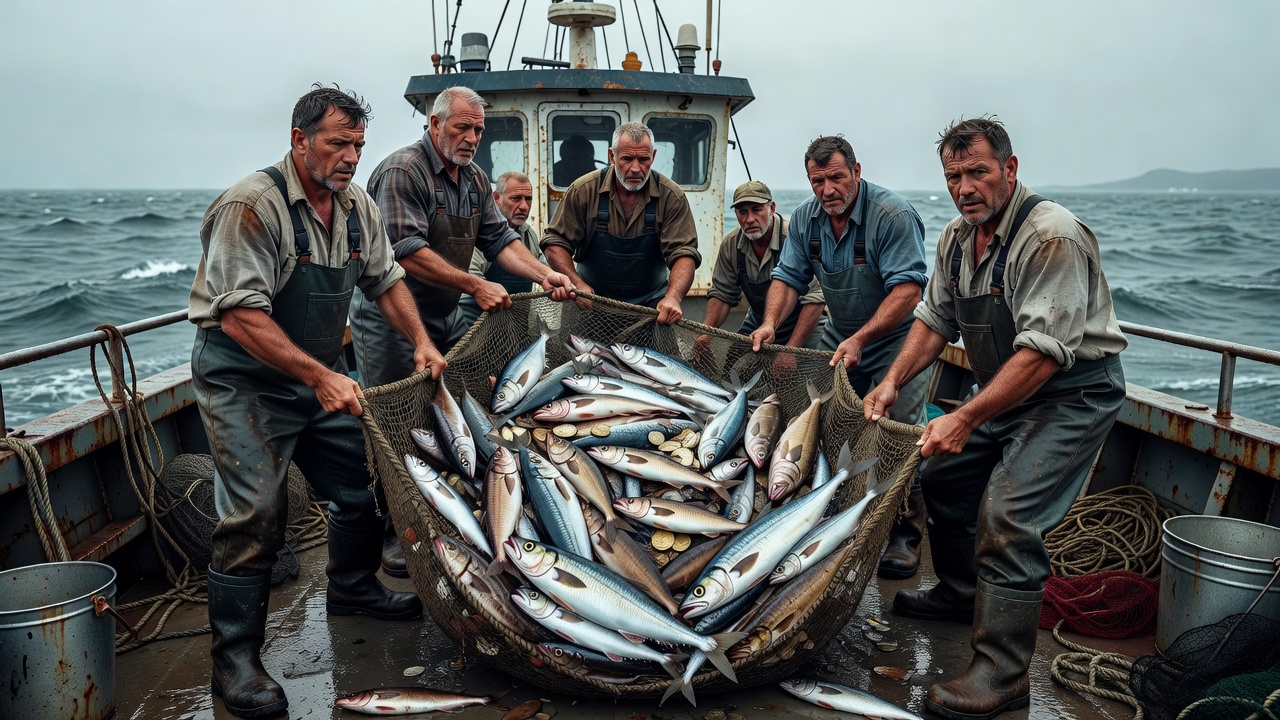
Fair Harbor fishermen have reported record-breaking catches this season, attributing the success to shifting ocean temperatures that have brought an abundance of fish closer to local waters. The community is abuzz with activity as boats return with holds full of cod, flounder, and other species. Experts note that while yields are high, the changes stem from broader climate patterns affecting the Atlantic. Data from the local cooperative shows a 25 percent increase over last year's totals, providing a welcome economic boost to the small coastal town.
Many attribute the surge to warmer currents drawing southern species northward. Captains report fuller nets on shorter trips, reducing fuel costs and increasing efficiency. Markets in Fair Harbor have seen brisk sales, with fresh seafood drawing visitors from nearby areas.
Details of the Season's Harvest
According to the Fair Harbor Fishing Cooperative, the total catch exceeded previous records by 25 percent. Captain John Ellis stated that daily hauls have doubled in some cases. This surge has boosted the local economy, with fish markets seeing increased sales and tourism picking up. Climate shifts, including milder winters, have altered migration patterns, allowing species typically found further south to venture into the area. Scientists from the regional marine institute are studying these movements to predict future trends. Local regulations ensure sustainable practices, preventing overfishing despite the plenty. Fishermen are required to adhere to quotas and use eco-friendly gear. Additional monitoring by state agencies tracks water temperatures and fish populations weekly.
Community members have organized meetings to discuss how to maintain these gains responsibly. Training programs for younger fishermen emphasize conservation alongside harvest techniques.
Sustainability and Future Outlook
Despite the good news, concerns remain about long-term impacts of climate change on ocean ecosystems. Rising sea levels and acidification could affect breeding grounds. Community leaders are advocating for continued research and support for the fishing industry. Events like the annual fish festival will highlight these developments, fostering education on environmental stewardship. The record catch serves as both a celebration and a reminder of the need for vigilance in changing times. Partnerships with universities aim to develop adaptive strategies for the fleet over the next decade.